

I’m about to let you in on Heber Valley’s best-kept and most adorable secret. Just a few blocks east of the Wasatch County Library, where the city begins to give way to open countryside, you’ll find a delightful surprise—a large herd of alpacas. Wasatch Back Alpacas, owned and operated by Corinna Porter, is home to 38 alpacas of all colors, personalities, and sizes. By appointment, visitors can tour the farm, meet the friendly animals up close, and enjoy a memorable hands-on experience.
So, what is an alpaca? A lot of people will be more familiar with their cousins, the llama. Similarly hailing from South America, alpacas are a smaller, softer variety of camelid, a super fun word that essentially means related to camels; both herd animals were domesticated for their fiber. However, alpaca fiber is far softer than their larger cousins. Corinna explains that alpacas are prey animals, so they tend to be cautious and may run if they feel threatened. At the same time, they’re naturally curious, and once they feel comfortable, they’re often eager to approach visitors and investigate their new surroundings. It’s recommended that you move slowly around them, especially if you don’t want to get spit at.
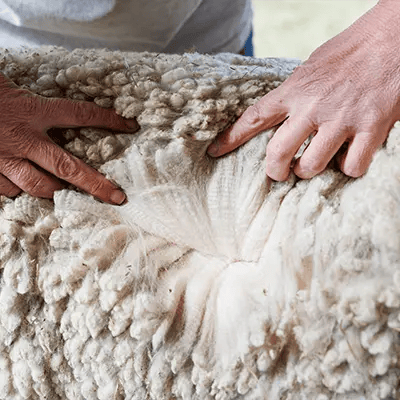
Corinna moved to Heber Valley in 2002 and started raising alpacas in 2015, she explains, “I got alpacas just because I love animals and I wanted animals to be part of my life, but I also wanted them to have a purpose. And I didn’t want to have it be meat,” she continues, “they seemed like a good fit because they’re creating something valuable.” She showed me her little shop where she sells all kinds of goods made from alpaca fiber: hats, socks, and even yarn. Wasatch Back Alpacas will typically shear the herd once a year. Corinna recounts her most recent shearing, “I have a crew come in. They have all the equipment and go from farm to farm across the United States. They can get it all done in like six hours.” She sends the fiber to Crooked Fence Mill in Logan, Utah, where it is transformed from its raw fleece into beautifully spun yarn. Alpaca fiber is incredibly plush, softer than wool, and it’s hypoallergenic; even someone with the most sensitive skin would love it. Alpaca is often compared to cashmere in softness. Don’t just take my word for it, come down and pet the alpacas for yourself.



Wasatch Back Alpacas has been offering farm tours for a few years. Corinna got the idea when a friend suggested they do a Christmas event: “It was fun. We had cookies and hot chocolate, and then people would come through to see Santa and get a candy cane. The store was all done up, and so I thought, well, that was fun. So we started doing it every year.” The alpaca community is a close-knit one (pun intended). When a friend in southern Utah told Corinna how successful farm tours had become, she decided to offer the experience in Heber Valley. She initially promoted the tours through connections with the Heber Valley Chamber of Commerce, and word quickly spread.
Today, Corinna offers tours on weekdays from 10:00 a.m. to noon and on Saturdays from 10:00 a.m. to 6:00 p.m. All tours must be booked in advance through her website, wasatchbackalpacas.com, where visitors can find tour options, pricing, and availability.
Each tour typically begins in the barn, where guests are introduced to the alpacas. Visitors are invited to pet them, hand-feed them, and feel their incredibly soft, plush fleece. Corinna also encourages guests to take the alpacas for a walk and capture plenty of photos along the way.
Because this is a working farm, visitors should come prepared. Closed-toe shoes are essential, and long pants make walking through the grassy pastures much more comfortable. Most importantly, come ready to relax, laugh, and enjoy spending time with these gentle, curious animals.
I asked Corinna what she loved most about alpacas. I expected something like my favorite thing, their long necks and tiny heads; however, I loved her answer even more: “I love their personalities. I have my favorites.” She points to a black-and-white woolly alpaca named Black Diamond, “She’s one of my favorites.” Black Diamond is the matriarch of the herd; she’s 19 years old, which is pretty old for an alpaca. Corinna muses about her favorites, “There’s some who are just really kind of friendly and personal, and she [Black Diamond] will put her head on my chest.” It turns out alpacas are just as soft on the inside as they are on the outside. As my tour came to an end, I asked Corinna how visitors have responded to the experience.
“Most of them feel like they’ve learned something,” she said, “and have enjoyed interacting with the animals, feeding them, and taking them for a walk.”
Judging by the glowing reviews—and the number of repeat visitors—it’s clear she’s succeeded. Guests leave Wasatch Back Alpacas with smiles, new appreciation for these gentle animals, and memories they’ll treasure. I left feeling much the same: warm, content, and comforted, much like wrapping up in a cozy alpaca sweater.

